PPG-based algorithm achieves 98.93% accuracy in detecting device wear status with negligible battery impact, eliminating the critical problem of misclassifying patient stillness as non-compliance in continuous monitoring applications.
Simulation evidence supporting continuous, automated monitoring as a superior approach for clinical research.
A study demonstrating the use of synchronized wearables to determine when a cough monitor detects non-user coughs

Addressing privacy risks in clinical trials - edge computing and on-device cough analytics safeguard participant privacy, ensure regulatory compliance, and optimize clinical trial scalability.
Exploring integration of AI-driven cough monitoring into wearable technology, highlighting its potential as an early indicator of respiratory illness, immune stress, and chronic disease, while addressing technical feasibility, clinical validation, and future applications in personalized health & welness
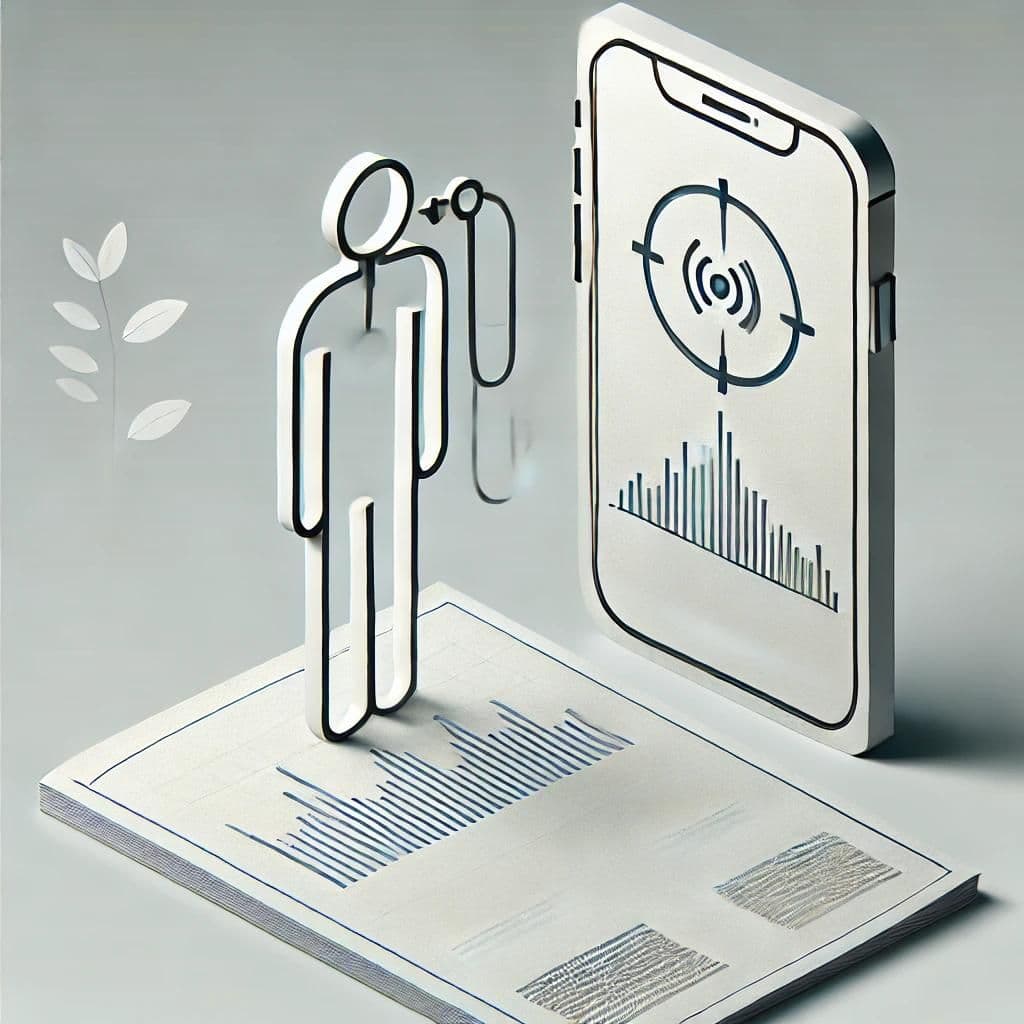
Case studies on digital behavioral interventions for chronic cough management inside CoughPro, demonstrating promising reductions in cough frequency through AI-powered monitoring and science-based suppression techniques.

White paper on the connection between heart rate and cough severity. Integrating cardiovascular and respiratory metrics offers new possibilities for patient monitoring, clinical trials, and health technology innovation.
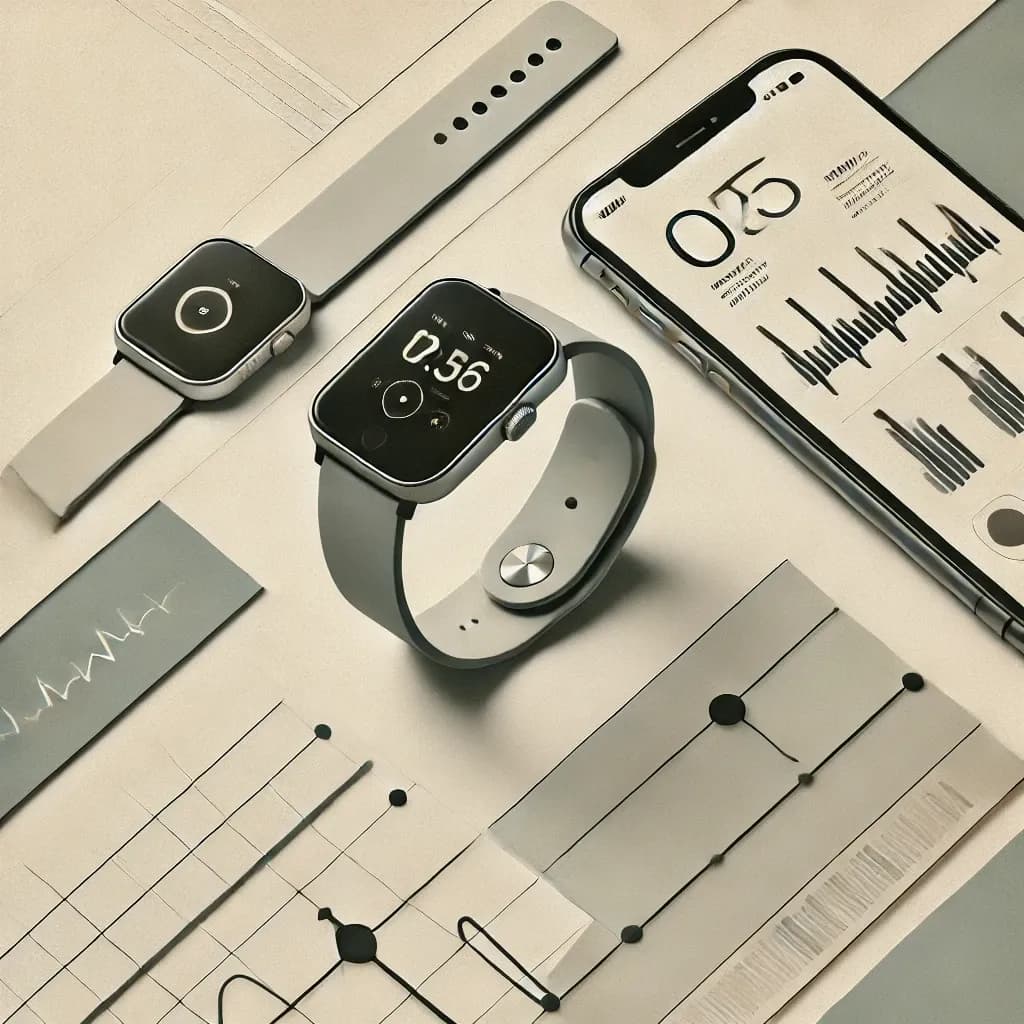
7-day continuous cough monitoring outperforms 24-hour methods. Hyfe white paper presents data-driven evidence showing how prolonged monitoring provides more reliable insights for clinical trials and research studies, offering a new standard in understanding cough variability

Exploring advanced machine learning models as solutions to the "Other Peoples Cough Problem" - distinguishing user coughs from others in shared environments.
Explores the cost-effectiveness of at-home monitoring for Chronic Obstructive Pulmonary Disease (COPD) exacerbations using a cough monitoring system. It highlights the significant economic burden COPD imposes on healthcare systems, especially through acute exacerbations that often lead to costly hospitalizations.

Explores the complexities of defining and measuring cough bouts using continuous monitoring technology. It highlights the inadequacies of traditional definitions and emphasizes the need for patient-centered metrics to better capture the severity and impact of chronic coughing on individuals' quality of life.
This paper addresses a critical limitation in wearable-based cough monitoring: distinguishing coughs emitted by the user versus those from nearby individuals (related: Other People's Coughs). In a controlled experiment with cohabiting couples (n=4), synchronized smartwatches running Hyfe's cough detection software captured cough events alongside their root mean square (RMS) acoustic energy—a proxy for source proximity.
Results showed that the device worn by the cougher detected 100% of events with zero false positives, while the non-cougher’s device detected 95% of events, also without false positives. Crucially, the RMS amplitude was consistently and significantly higher on the source device (median RMS: 0.0925 vs. 0.0235; p < 0.001), enabling 100% correct attribution of coughs using a simple energy threshold.
This method offers a scalable, non-intrusive alternative to contact microphones or manual annotation, making accurate source attribution viable in decentralized trials and real-world settings. By leveraging synchronized acoustic data alone, the approach enhances the scientific rigor of remote respiratory monitoring - especially in shared environments where attribution has historically been uncertain.
PPG-based algorithm achieves 98.93% accuracy in detecting device wear status with negligible battery impact, eliminating the critical problem of misclassifying patient stillness as non-compliance in continuous monitoring applications.
Simulation evidence supporting continuous, automated monitoring as a superior approach for clinical research.
A study demonstrating the use of synchronized wearables to determine when a cough monitor detects non-user coughs
Addressing privacy risks in clinical trials - edge computing and on-device cough analytics safeguard participant privacy, ensure regulatory compliance, and optimize clinical trial scalability.